Shaping the Future: Innovations That Define Our World
Technology has become the driving force behind modern society, shaping how we work, communicate, and live.
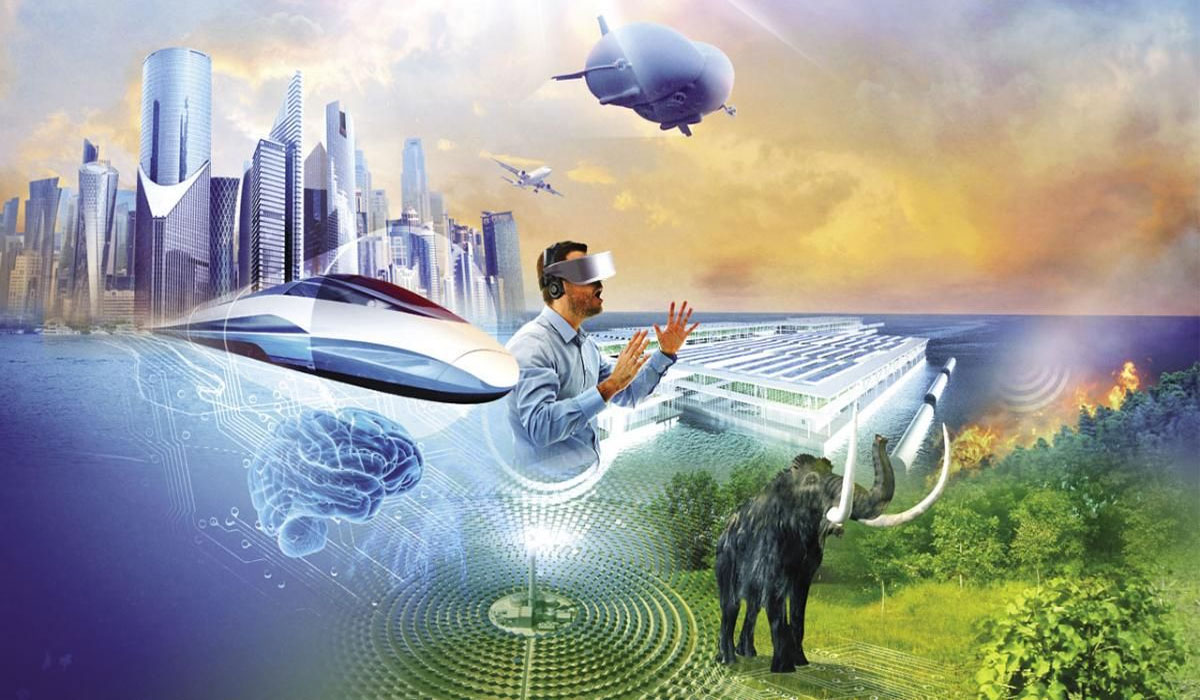
From groundbreaking innovations in artificial intelligence to the latest advances in renewable energy, technology continues to redefine possibilities. Understanding these developments allows us to appreciate their impact on everyday life and glimpse the future they are creating. This article, Business Marks reveals how continuous learning, smart financial strategies, and digital tools are shaping today’s successful businesses.
The Rise of Artificial Intelligence
Artificial intelligence (AI) is transforming industries at an unprecedented pace. From healthcare to finance, AI systems analyze vast amounts of data to make predictions, streamline processes, and improve decision-making. In medicine, AI-powered diagnostics help detect diseases earlier and more accurately, while in finance, algorithms optimize investment strategies and reduce risk.
AI is also redefining human-computer interaction. Virtual assistants, chatbots, and smart devices make daily tasks more convenient by anticipating user needs and responding intelligently. As these systems learn and adapt, they create personalized experiences that were previously unimaginable.
However, the rise of AI also brings challenges. Ethical considerations, data privacy, and potential job displacement require careful regulation and planning. Balancing innovation with responsibility is essential to ensure that AI benefits society as a whole while minimizing potential risks.
The Internet of Things and Connected Living
The Internet of Things (IoT) is turning everyday objects into smart, interconnected devices. From wearable fitness trackers to intelligent home appliances, IoT creates a seamless network that monitors, automates, and optimizes daily life. These devices enhance convenience and efficiency while providing valuable insights into behavior and consumption patterns.
In industries such as manufacturing and logistics, IoT improves efficiency by tracking equipment, monitoring performance, and predicting maintenance needs. Smart sensors and real-time data collection enable companies to reduce downtime, lower costs, and make informed decisions faster than ever before.
Consumer adoption is also growing rapidly. Smart homes, connected vehicles, and health-monitoring devices provide users with real-time information and control. The result is a more responsive, safer, and personalized environment, highlighting the transformative power of interconnected technology.
Read Also: Businesses That Embrace Web Technology Are Winning Big, Here’s Why
Renewable Energy and Sustainable Innovation
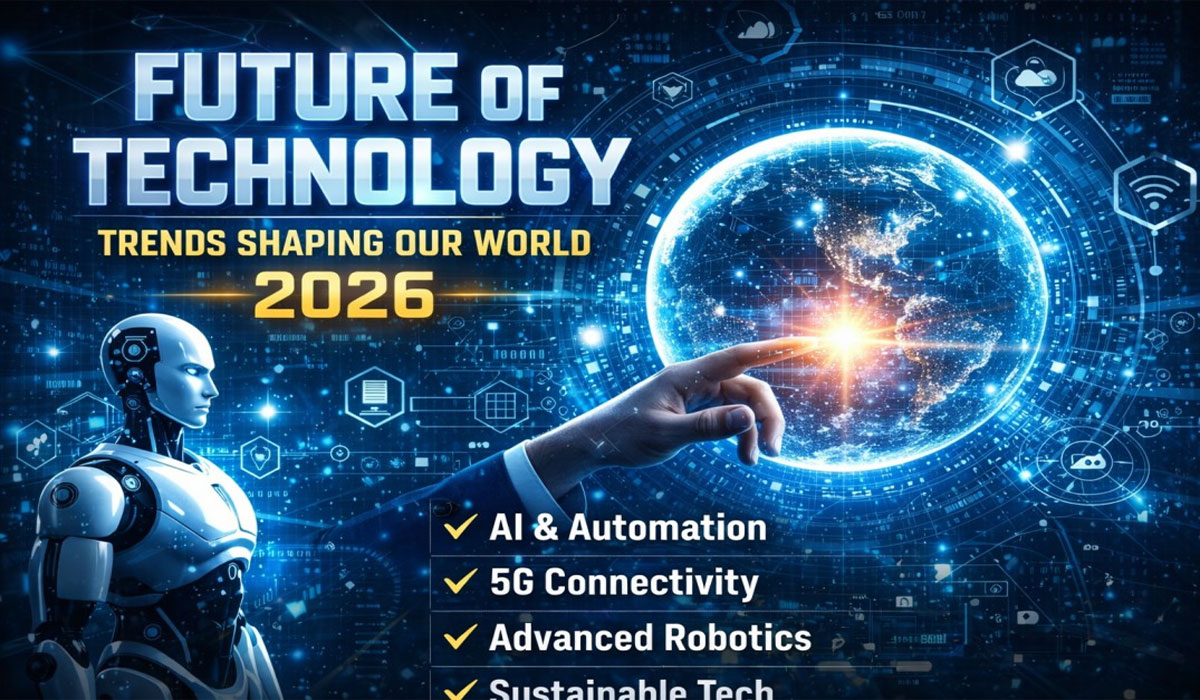
Technology is playing a pivotal role in addressing environmental challenges. Renewable energy solutions, including solar panels, wind turbines, and energy storage systems, are revolutionizing how electricity is generated and consumed. These innovations reduce reliance on fossil fuels, decrease carbon emissions, and promote sustainable development.
Advances in battery technology and energy management systems further support the integration of renewable energy. Efficient storage solutions enable consistent power supply even during periods of low generation, making renewable energy more reliable and practical for widespread adoption.
Sustainable technology is not limited to energy production. Smart grids, eco-friendly materials, and green transportation systems all contribute to a more sustainable future. By combining innovation with environmental responsibility, technology empowers society to address climate change while maintaining economic growth.
Biotechnology and Health Innovation
Biotechnology is transforming healthcare and improving quality of life worldwide. Genetic engineering, personalized medicine, and advanced therapeutics allow treatments to be tailored to individual needs. From gene therapy to regenerative medicine, these innovations hold the potential to cure previously untreatable conditions.
Wearable devices and remote monitoring technologies also enable proactive health management. Patients can track vital signs, receive real-time feedback, and share data with healthcare providers, facilitating early intervention and more effective care.
Moreover, biotechnology drives research in pharmaceuticals, agriculture, and environmental management. Genetically modified crops increase yield and resilience, while microbial solutions aid in pollution control. The convergence of biology and technology illustrates how scientific advancements can tackle some of humanity’s most pressing challenges.
Conclusion
Technological innovations are reshaping the world, influencing how we live, work, and interact with the environment. Artificial intelligence, IoT, renewable energy, and biotechnology demonstrate the transformative power of modern technology, offering solutions to complex problems while creating new opportunities.
As we continue to innovate, society must balance progress with responsibility, ensuring that technological advancements serve the greater good. By embracing innovation, cultivating ethical practices, and fostering creativity, humanity can leverage technology to build a smarter, healthier, and more sustainable future.
Image Source:
- First Image from www.cio.com
- Second Image from www.mindbridge.ai