SHOCKING! The Future Technology That No One Is Fully Ready For Yet
Technology is evolving at a speed that often feels faster than society can fully adapt to Innovations that once belonged to science.
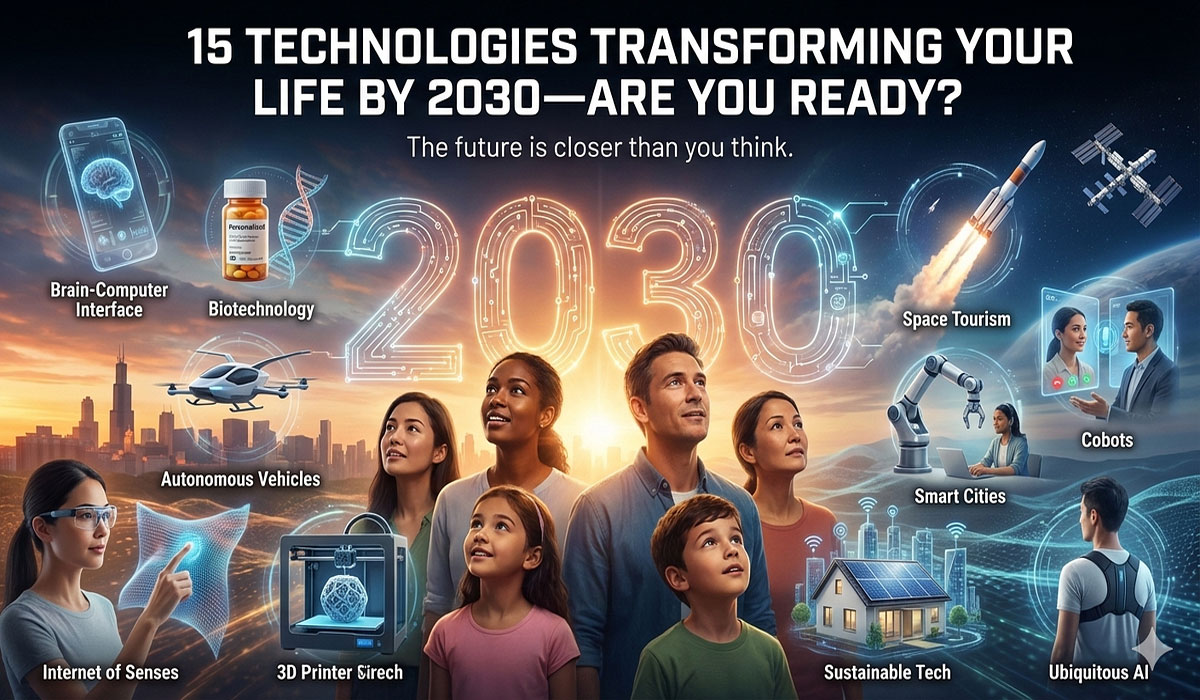
Fiction are now becoming part of everyday life, reshaping industries, communication, and even human behavior. Among these rapid changes, certain emerging technologies are raising both excitement and concern because of how deeply they may transform the future. See and follow the complete information only at Business Marks.
The Rise of Next Generation Artificial Intelligence
Artificial intelligence has already become a major part of modern life, but the next generation of AI is expected to go far beyond current capabilities. These systems are being designed to understand context more deeply, make independent decisions, and even collaborate with humans in complex environments.
Unlike earlier versions, advanced AI will not only process information but also generate creative solutions in fields like medicine, engineering, and education. This shift could significantly increase productivity and solve problems that were previously too complex for humans alone.
However, this rise also brings uncertainty. Questions about control, accountability, and ethical boundaries are becoming more urgent. As AI becomes more powerful, society must decide how much autonomy should be granted to machines.
The Expansion of Human Machine Integration
One of the most surprising developments in future technology is the growing connection between humans and machines. Brain computer interfaces and wearable neurotechnology are being developed to allow direct communication between the human brain and digital systems.
These technologies could help restore mobility for disabled individuals, enhance memory functions, and even allow people to control devices using thought alone. The potential benefits are enormous, especially in healthcare and rehabilitation.
At the same time, this level of integration raises serious concerns about privacy and identity. If thoughts and neural signals can be interpreted by machines, protecting mental privacy becomes one of the most important challenges of the future.
Also Read: Shocking! How 5G Is Quietly Taking Over The Entire Business World!
The Growth of Fully Autonomous Systems
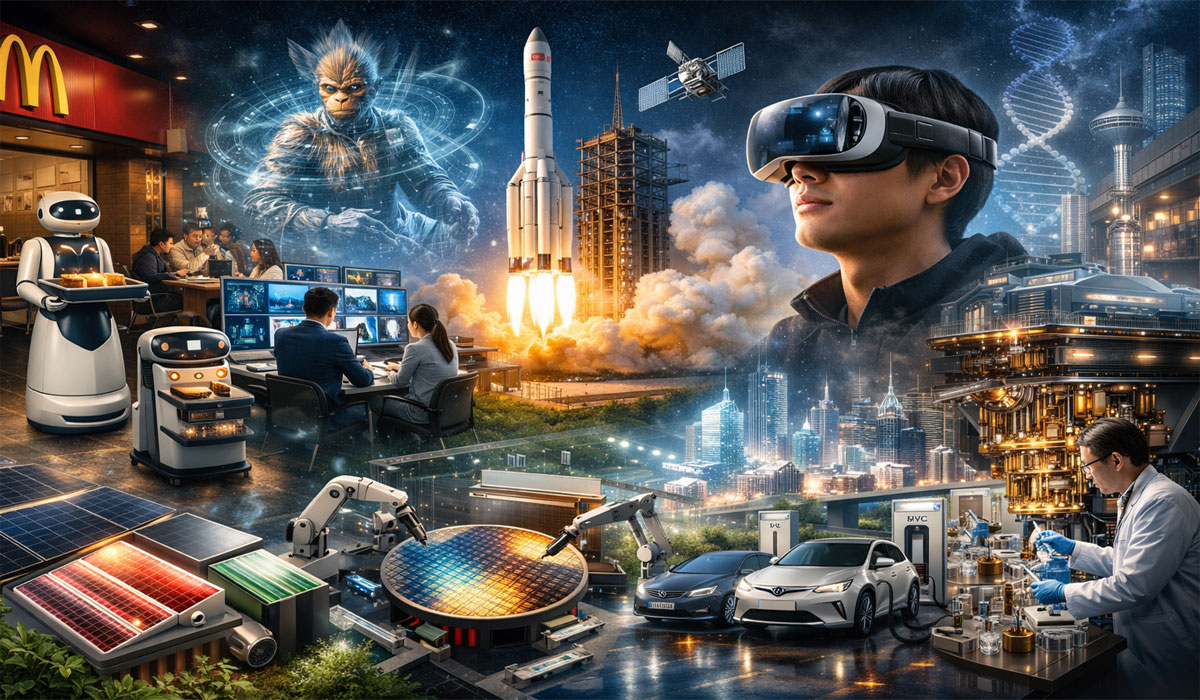
Autonomous systems such as self driving vehicles, robotic factories, and automated delivery networks are becoming more advanced each year. These systems are designed to operate with minimal human intervention while maintaining high efficiency.
In transportation, autonomous vehicles could reduce accidents caused by human error and improve traffic flow. In manufacturing, robots are already increasing production speed and precision while lowering operational costs.
Despite these advantages, full automation also raises concerns about job displacement. As machines take over more tasks, the workforce will need to adapt by learning new skills and transitioning into roles that require creativity and human judgment.
The Digital World Beyond Physical Reality
Another major shift in technology is the expansion of digital environments that go beyond traditional screens. Virtual reality and augmented reality are creating immersive spaces where users can work, learn, and socialize in entirely new ways.
These digital worlds are becoming more realistic, offering experiences that closely mimic physical presence. This could transform industries such as education, entertainment, and remote work by removing physical limitations.
However, increased reliance on virtual environments may also lead to new forms of addiction and social isolation. Balancing digital life with real world interaction will become an important challenge for future generations.
Conclusion
The future of technology is filled with groundbreaking innovations that have the potential to transform every aspect of human life. From advanced artificial intelligence to immersive digital worlds, these developments promise both opportunity and disruption.
While the benefits are significant, the risks cannot be ignored. Issues such as ethical control, privacy, job displacement, and social impact must be carefully managed as technology continues to evolve.
Ultimately, the future will depend on how responsibly humanity chooses to develop and use these powerful technologies. Those who adapt wisely will be best prepared for the changes ahead.