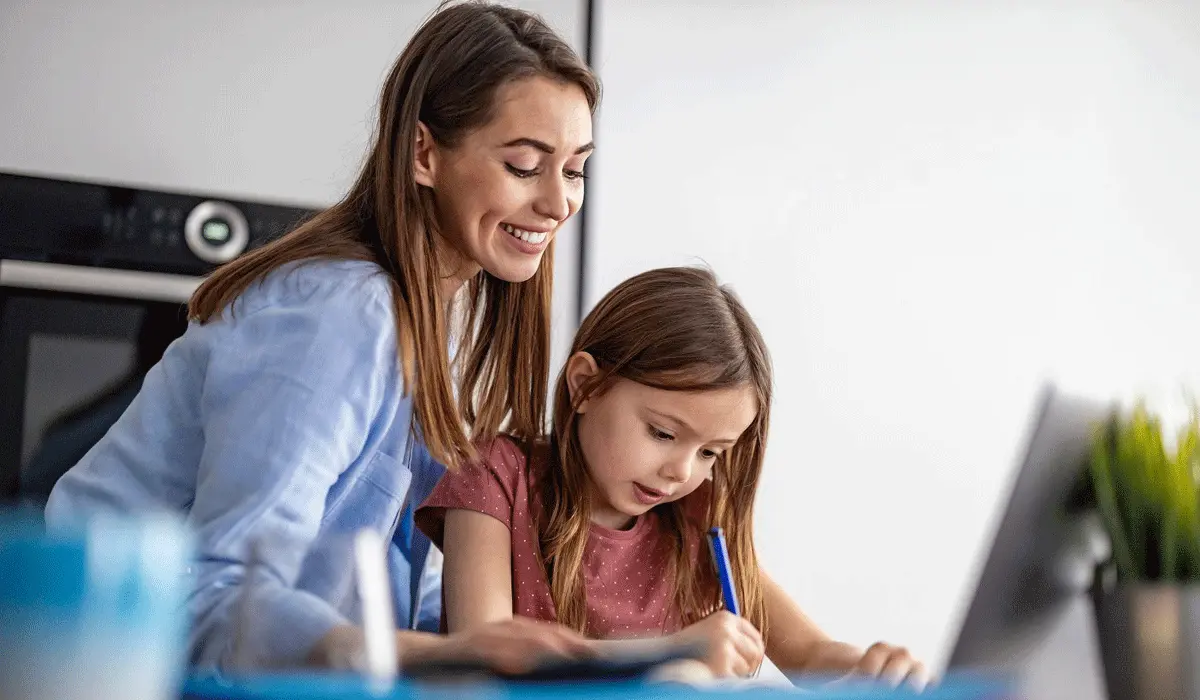
Innovative Learning Techniques for the Modern Student
Discover innovative learning techniques designed for modern students to boost focus, improve retention, and enhance academic performance effectively.
In today’s rapidly evolving educational landscape, students must adapt to new methods of learning to stay ahead. Traditional classroom approaches are being complemented, by innovative techniques that leverage technology, creativity, and personalized learning strategies. Modern students are no longer passive recipients of knowledge; they actively engage, collaborate, and apply learning in real-world contexts.
Thru this article, Business Marks will explore the most effective innovative learning techniques that can empower today’s learners.
Personalized Learning: Tailoring Education to Individual Needs
Personalized learning is revolutionizing education by shifting the focus from a one-size-fits-all model to one that adapts to each student’s unique needs, skills, and interests. Modern technology makes it easier than ever for educators to customize learning paths. Learning management systems (LMS), AI-powered tutoring tools, and adaptive software allow students to progress at their own pace, revisit challenging concepts, and focus on areas of interest.
Studies show that personalized learning enhances engagement and improves retention, as students feel more ownership over their education. Platforms like Khan Academy, Coursera, and Duolingo use adaptive learning algorithms that adjust difficulty levels based on student performance, offering a truly individualized experience. For modern students, this approach not only accelerates learning but also fosters critical thinking and self-motivation.
Gamification: Making Learning Fun and Engaging
Gamification integrates game mechanics into educational content to boost engagement, motivation, and knowledge retention. Points, badges, leaderboards, and challenges transform learning into an interactive and competitive experience. For example, language-learning apps like Duolingo reward progress with streaks and levels, turning daily practice into an enjoyable habit.
Beyond apps, gamification can be applied in classroom settings or virtual learning environments. Simulations, role-playing, and educational games help students grasp complex concepts in science, math, and history. Gamification encourages students to take risks, experiment, and learn from mistakes, essential skills for lifelong learning.
Read Also: Accounting Education: Shaping Professionals Who Leave A Mark In The Business World
Collaborative Learning: Leveraging Peer-to-Peer Interaction
Collaborative learning emphasizes group work, discussion, and shared problem-solving. Modern students thrive in environments where they can exchange ideas, challenge assumptions, and learn from diverse perspectives. Online platforms such as Slack, Microsoft Teams, and Zoom have expanded the scope of collaboration, allowing students to connect globally and work together asynchronously or in real-time.
Research shows that collaborative learning enhances critical thinking, communication skills, and creativity. Techniques such as peer review, group projects, and discussion forums encourage students to articulate their ideas clearly and consider alternative viewpoints. For modern learners, collaboration not only improves understanding but also prepares them for the teamwork-oriented workplaces of the future.
Experiential Learning: Learning by Doing
Experiential learning emphasizes hands-on experience as the primary method of acquiring knowledge. Modern students benefit from internships, lab experiments, field trips, and project-based assignments that connect theoretical knowledge with practical application. This approach helps students retain information better, as active engagement strengthens neural connections compared to passive learning.
For instance, engineering students might build prototypes, medical students may practice simulations, and business students could run mock companies. Experiential learning fosters problem-solving skills, adaptability, and decision-making, qualities essential for success in both academic and professional settings. By learning by doing, students gain confidence and competence, bridging the gap between theory and real-world application.
Microlearning and Mobile Learning: Bite-Sized Knowledge Anytime, Anywhere
Modern students are constantly on the move, and traditional long-form learning sessions can be inefficient. Microlearning breaks down complex topics into small, manageable units, allowing students to absorb information quickly and efficiently. This approach is ideal for busy learners, enabling them to study in short bursts without feeling overwhelmed.
Mobile learning, combined with microlearning, empowers students to learn anytime, anywhere. Smartphones, tablets, and online platforms deliver short lessons, quizzes, and interactive content that reinforce learning on the go. Research indicates that microlearning enhances retention by promoting spaced repetition, a technique where information is reviewed at strategic intervals. This combination is especially effective for modern students juggling multiple responsibilities and seeking flexible, high-impact learning methods.
Conclusion
The modern student thrives in a dynamic, technology-driven educational environment where traditional methods are enhanced by innovative approaches. Personalized learning, gamification, collaborative learning, experiential learning, and microlearning are transforming education, making it more engaging, effective, and relevant. By embracing these techniques, students can develop critical skills, enhance knowledge retention, and prepare for success in both academic and professional arenas.
Education is no longer just about memorizing facts, it’s about actively participating, experimenting, and growing as a lifelong learner. Modern students who leverage these innovative techniques gain a competitive edge and become adaptive, creative thinkers ready to meet the challenges of the 21st century.
Image Source:
- First Image from ace.edu
- Second Image from theonlineteacher.blog